Upwards Jete
 DANZ
DANZ
A brief overview of Community Dance and dance in the community. Article written by Lyne Pringle Keep Reading

DANZ Magazine is the voice of New Zealand dance and exists to celebrate and document its history, it also reflects the work of DANZ in its support of the dance industry. Magazine content is decided by an editorial committee made of of DANZ management and dance/arts sector representatives. If you would like to suggest an idea for publication please email us at danz@danz.org.nz.
OTHER DANZ PUBLICATIONS
Stories of Dance
Reviews
Dance Lines (Blog)
Advertising is available in the DANZ Magazine. Visit Advertising & Promotion for more information.
A brief overview of Community Dance and dance in the community. Article written by Lyne Pringle Keep Reading

Felicity Molloy traces somatic practices over the last 20 years in Aotearoa New Zealand and aligns them with changes and developments of contemporary dance education and holistic well-being practices. Keep Reading

The visibility of dance in the New Zealand Curriculum has been undeniably enhanced over the past twenty years. Although the arts were the 'last cab off the rank' when the curriculum reforms took place in the early 1990s, by 2000 the country had its first generic arts curriculum with dance firmly embedded as one of four learning areas. Keep Reading

Recreational dance has changed and grown in the last 20 years. It would appear that there are more Kiwis wanting to learn how to move and meet new people which is evident in the number of dance studios and classes popping up around the country. Article by Michelle Stoupe Keep Reading

The Northern Dance Network (NDN) has supported and advocated dance for over 20 years, and has played a pivotal role in the establishment of a number of dance initiatives in Auckland. More importantly NDN has worked tirelessly to establish vital communication between the professional, private and community sectors of dance in this region. Keep Reading

Ballroom dancing, introduced by the early British and European settlers, has remained a popular means to celebrate special events, bring communities together and exercise. Not only did people learn to dance, they also learned social etiquette, and in many cases met their marriage partners at the local dance. Article by Brian Jones Keep Reading

There has been a great growth of tertiary dance in New Zealand. This article is a snapshot of Tertiary dance courses and providers in the last 20 years. By Dr. Barbara Snook, Associate Professor Ralph Buck and Francesca Horsley Keep Reading

This article explore the growth of Pacific dance in Aotearoa over the past 20 years. Keep Reading

Piripi Sciascia outlines the history and development of Kapa Haka in Aotearoa. Kapa Haka has been known by many other titles and phrases in the history of Maori people. Today the term refers to the traditional performing arts. Keep Reading
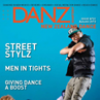
Royal New Zealand Ballet dancer Andrew Simmons has the best of both worlds - living in Europe but returning home each year to choreograph a new work with old friends in the familiar RNZB studio. This article explains how privileged he feels. Keep Reading

Susan Jordan looks at the growth of arts and dance festivals in the past 20 years and considers how well they are serving the NZ dance community. Keep Reading

Deirdre Tarrant looks at contemporary dance and performance and companies that have managed to evolve and sustain activity and innovation during 1993-2013. These companies have met Creative New Zealand (CNZ) funding requirements and provided impetus for careers in the industry. Keep Reading
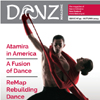
The term fusion dance is usually understood as a process of ‘blending’ dances from two or more different cultures, genres or styles. In this article, Linda Ashley explores the fusing of dances from different cultural legacies. Keep Reading

New Zealand has a long history of turning film, video, digital technology and the integration of these capture forms into live performance. Jennifer Nikolai presents an overview of this rich history. Keep Reading

In this article, Cath Cardiff reviews the gains in dance infrastructure in terms of opportunities and remuneration that underpin NZ's vibrant contemporary dance scene. Keep Reading